


About Us
Explain to you how all this mistaken denouncing pleasure and praising pain was born and we will give you a complete account of the system, and expound the actual teachings. Mistaken denouncing pleasure and praising pain was born and we will give you complete account of the system expound.
About Us


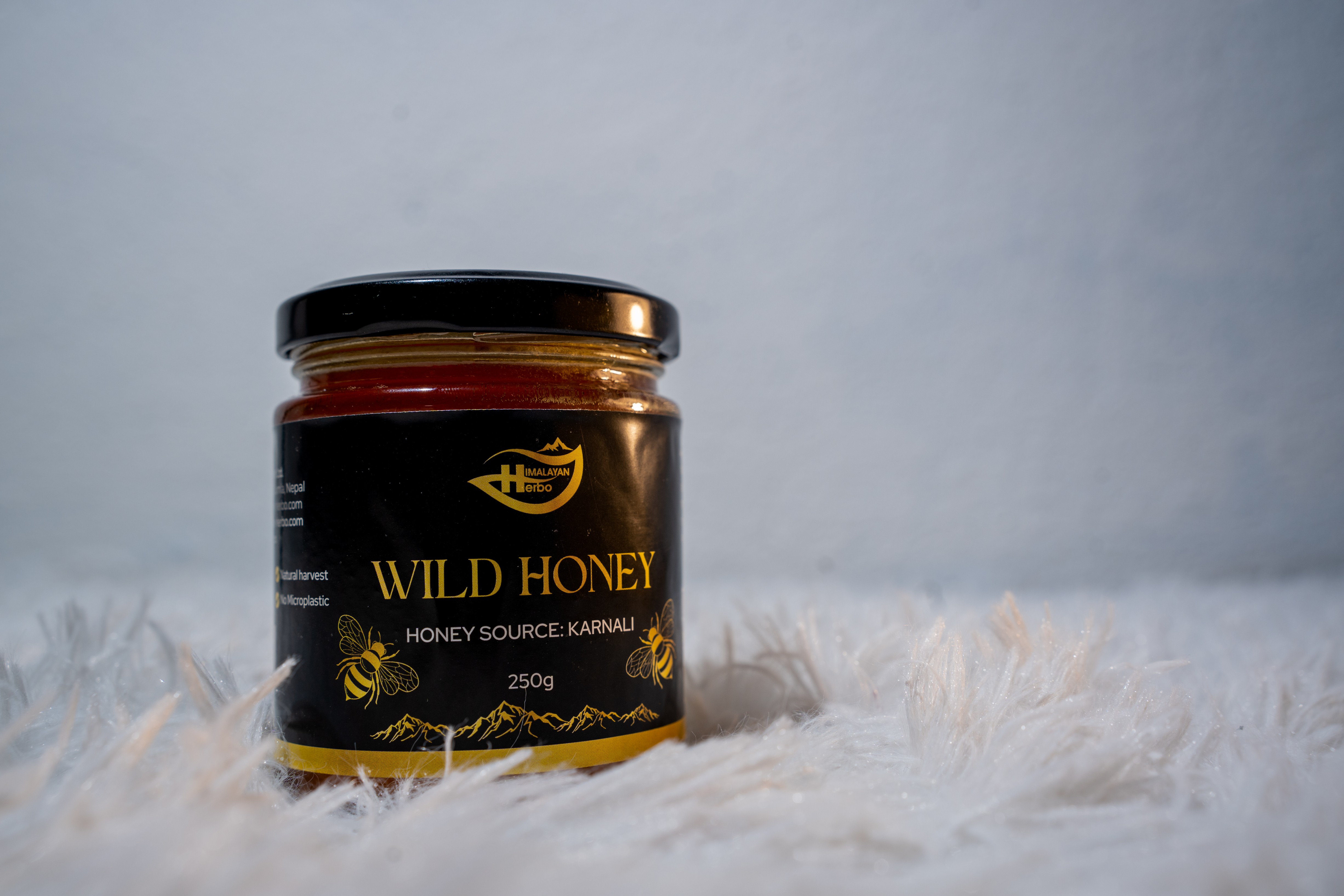
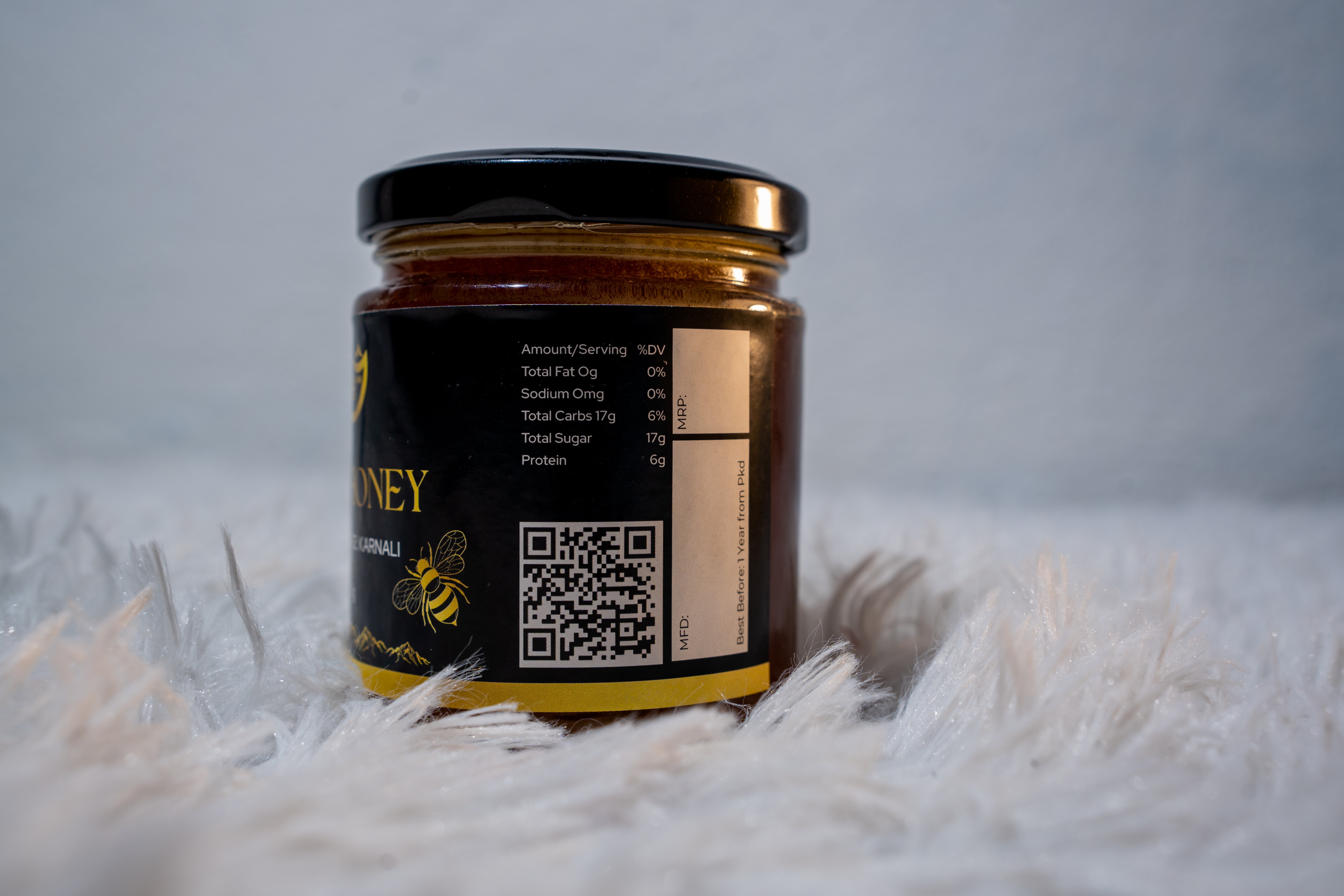
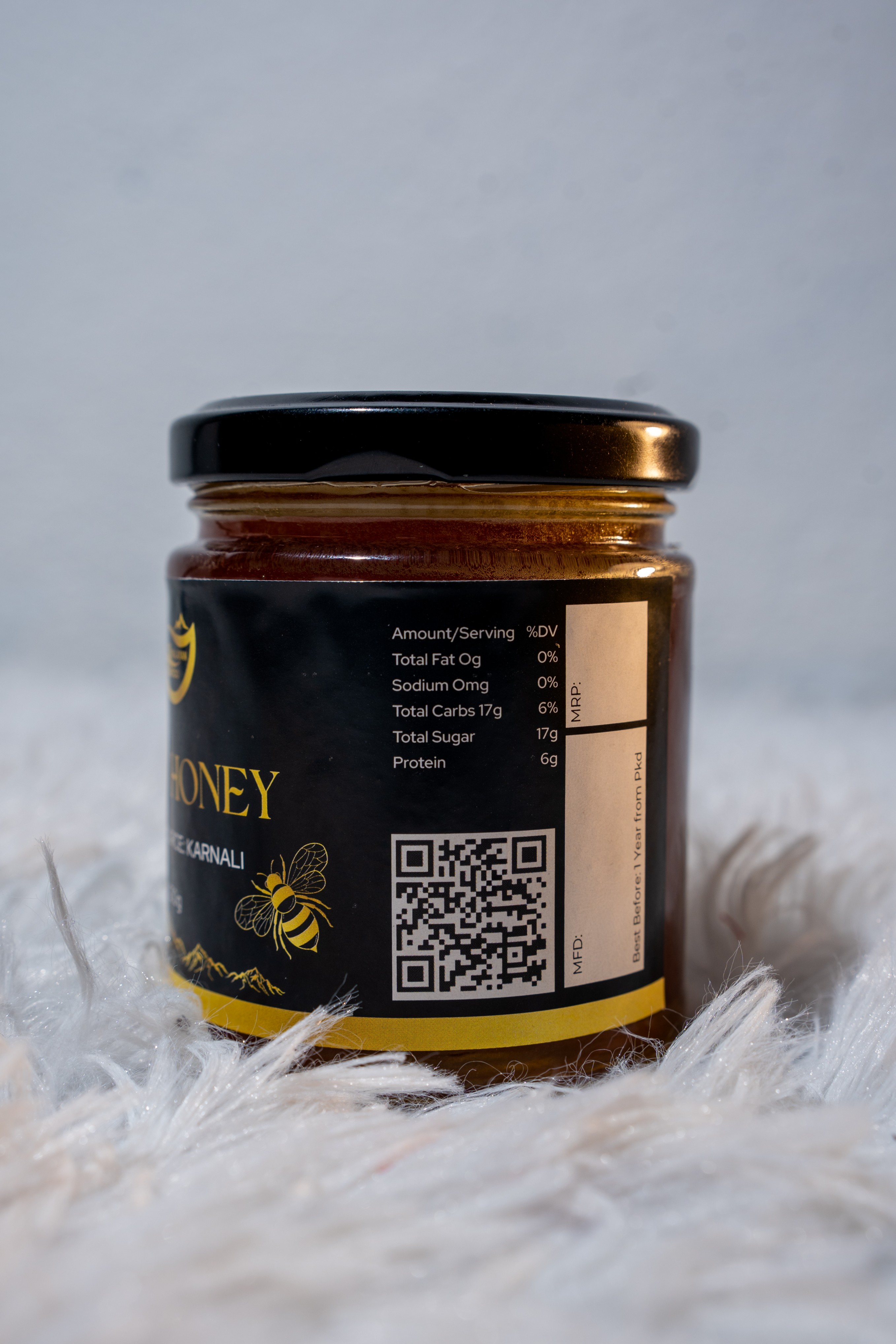
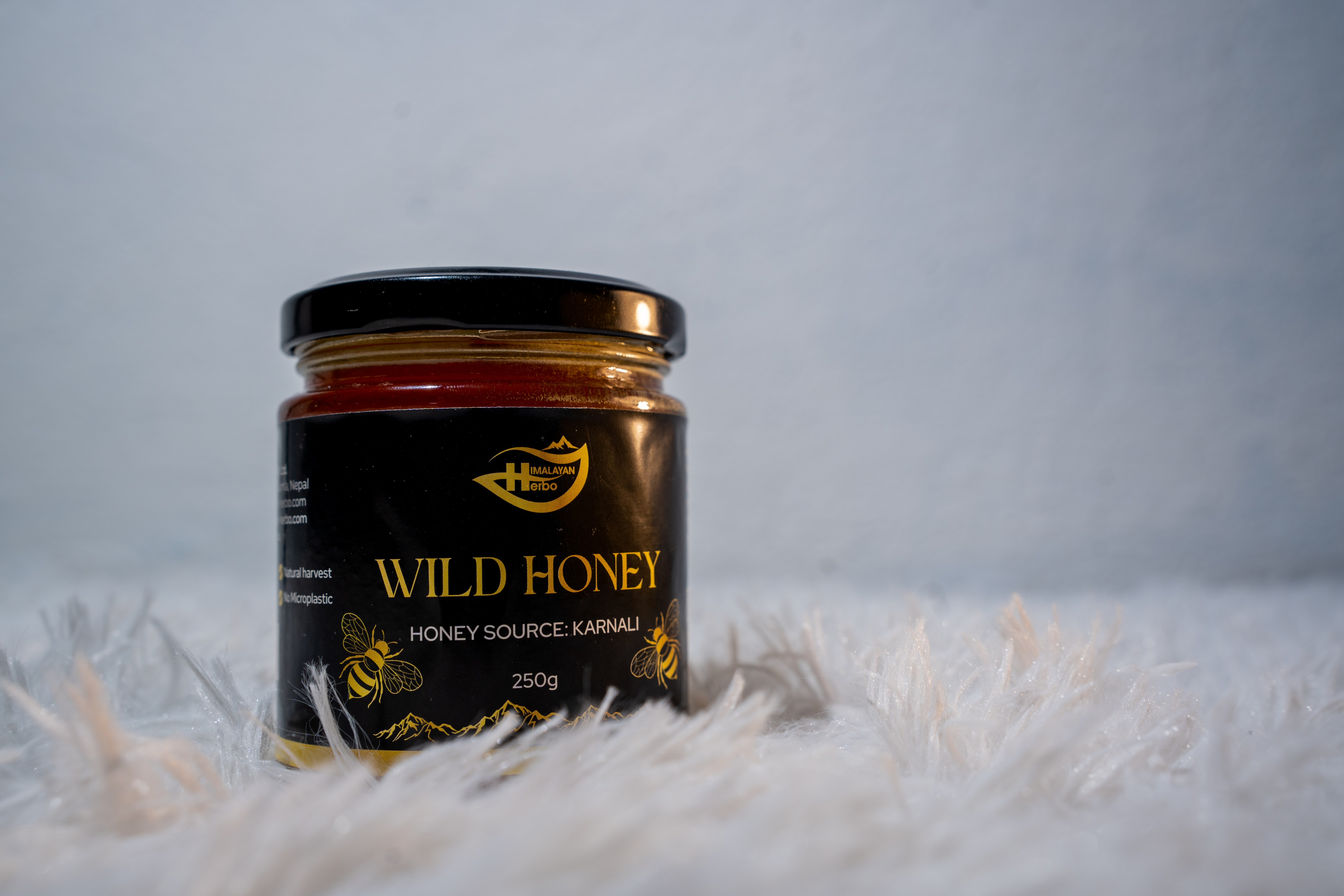
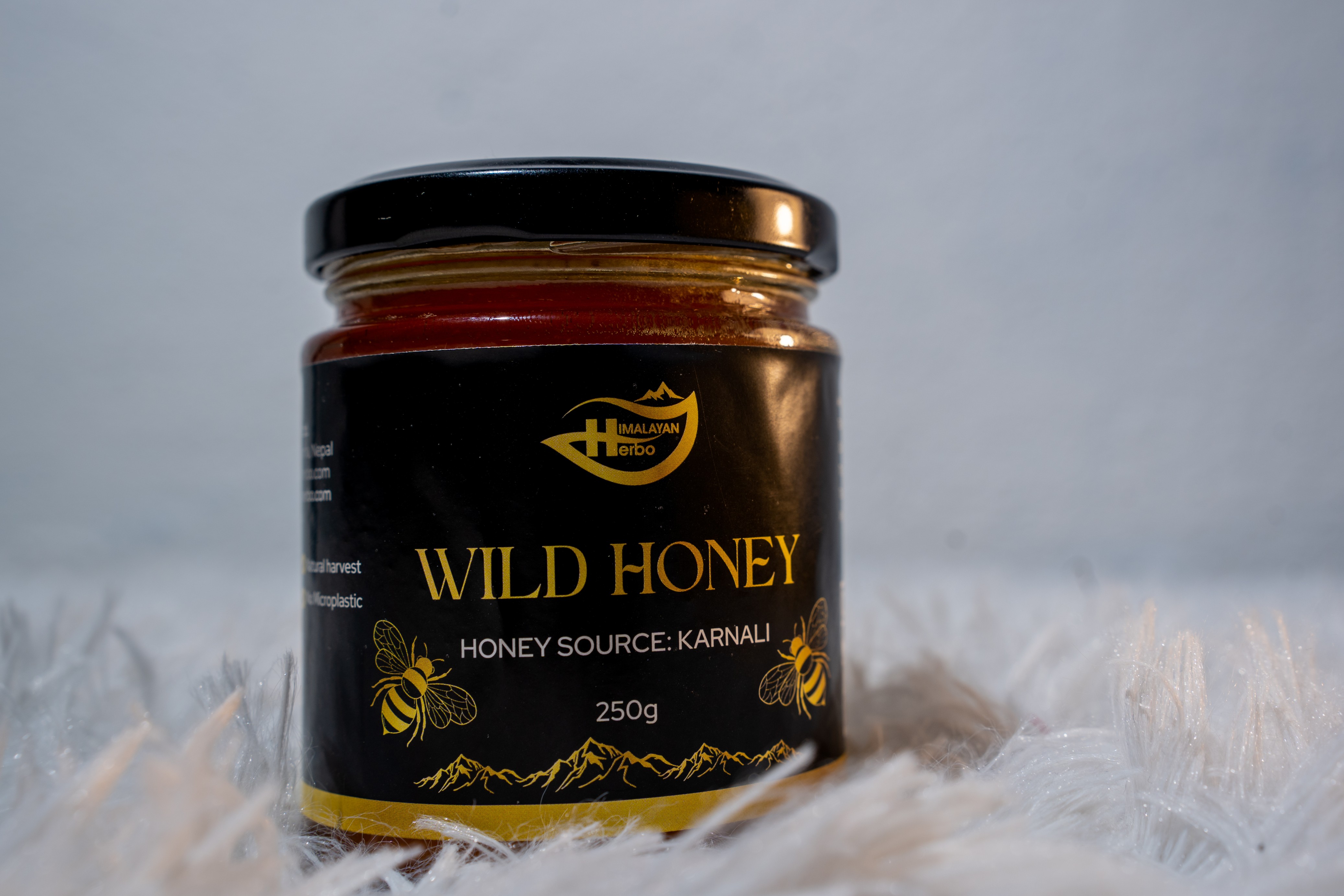
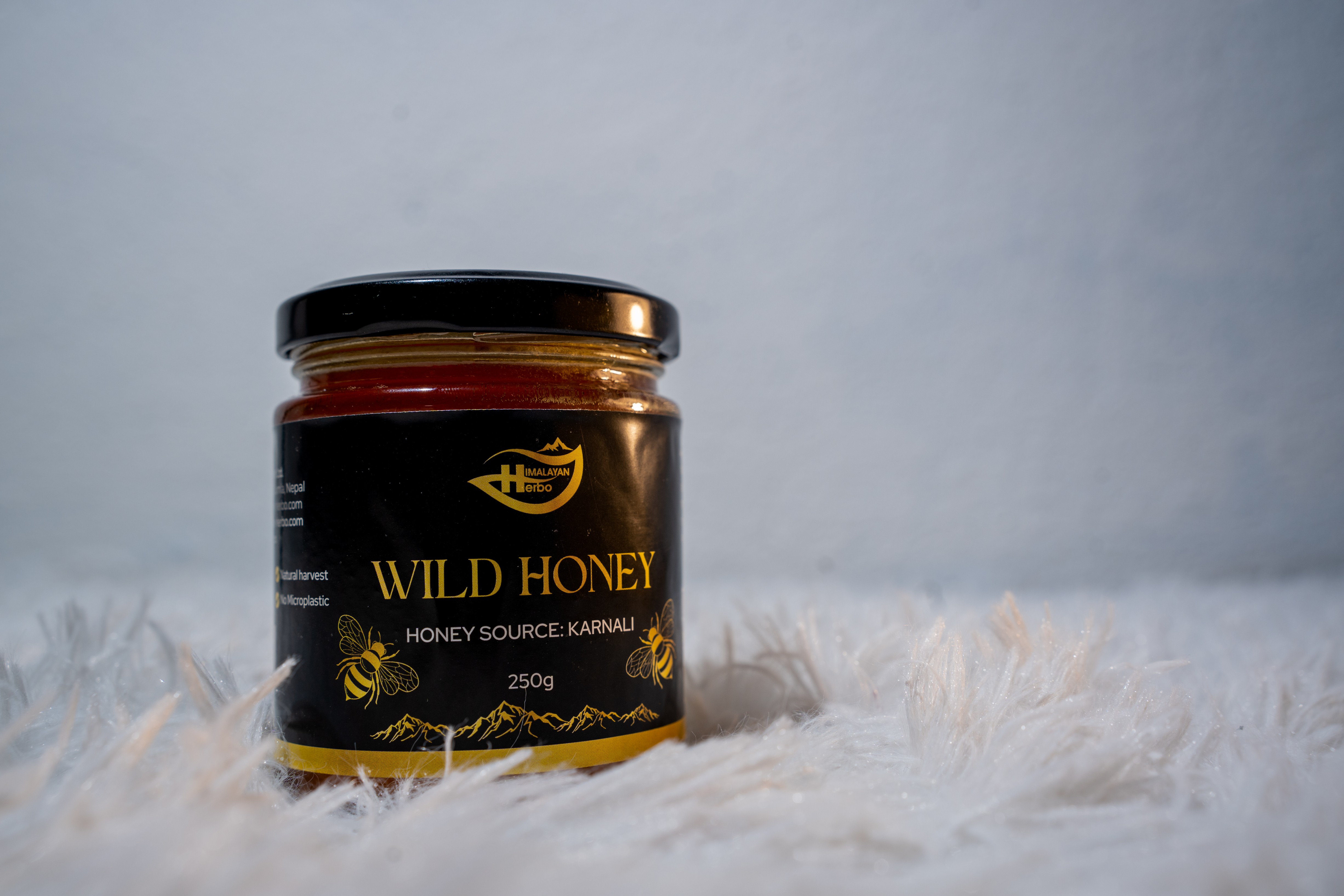
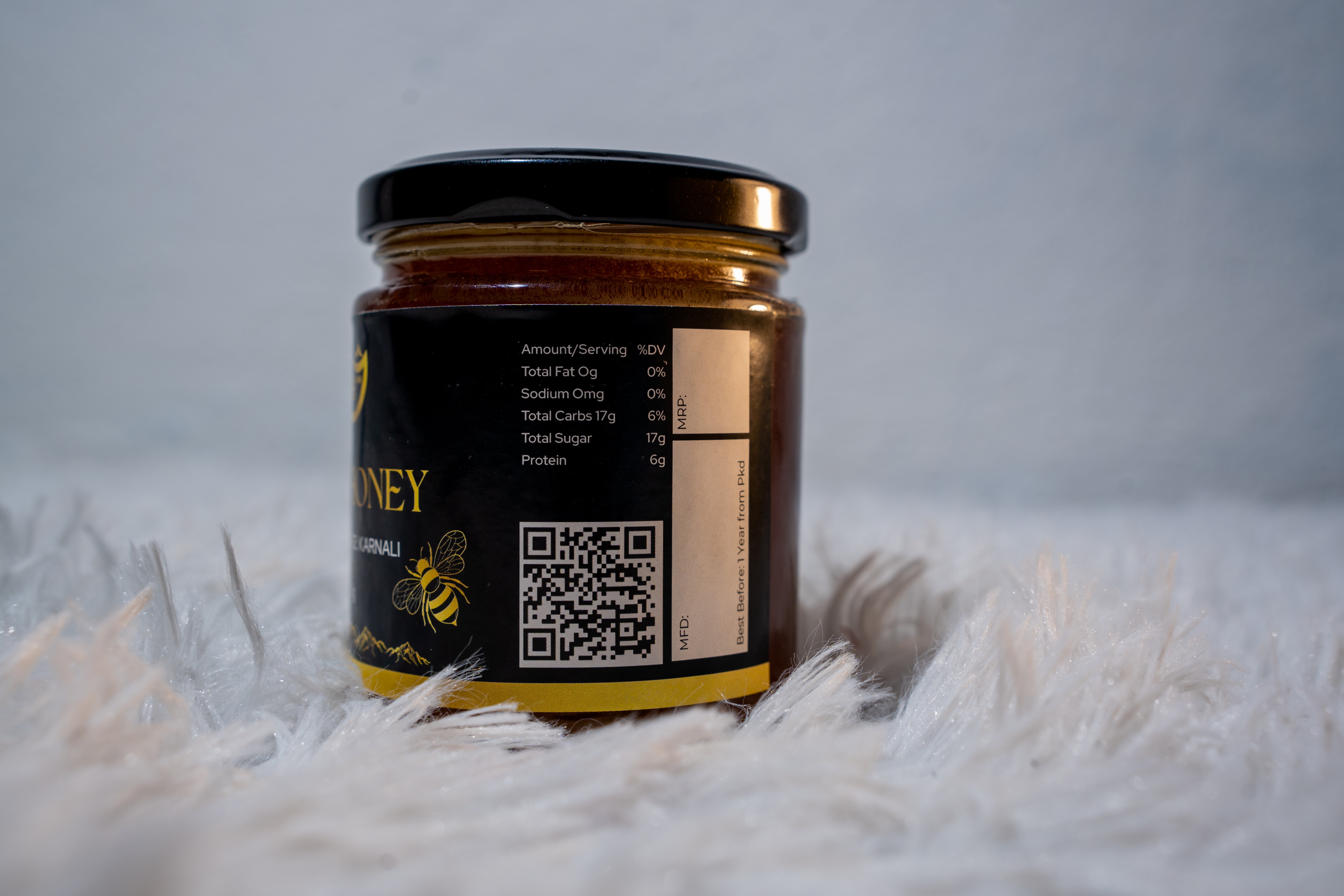
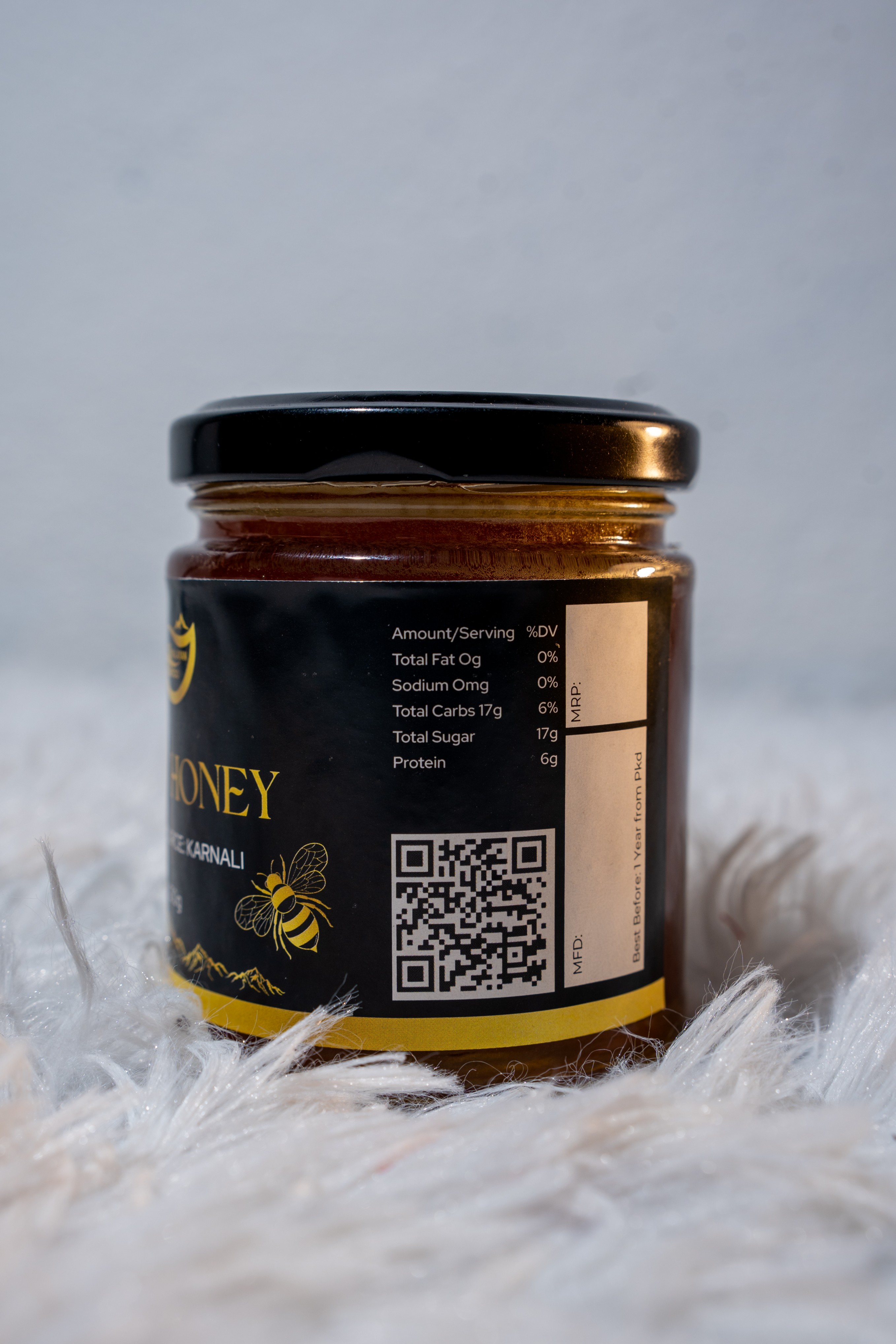
Wild Honey
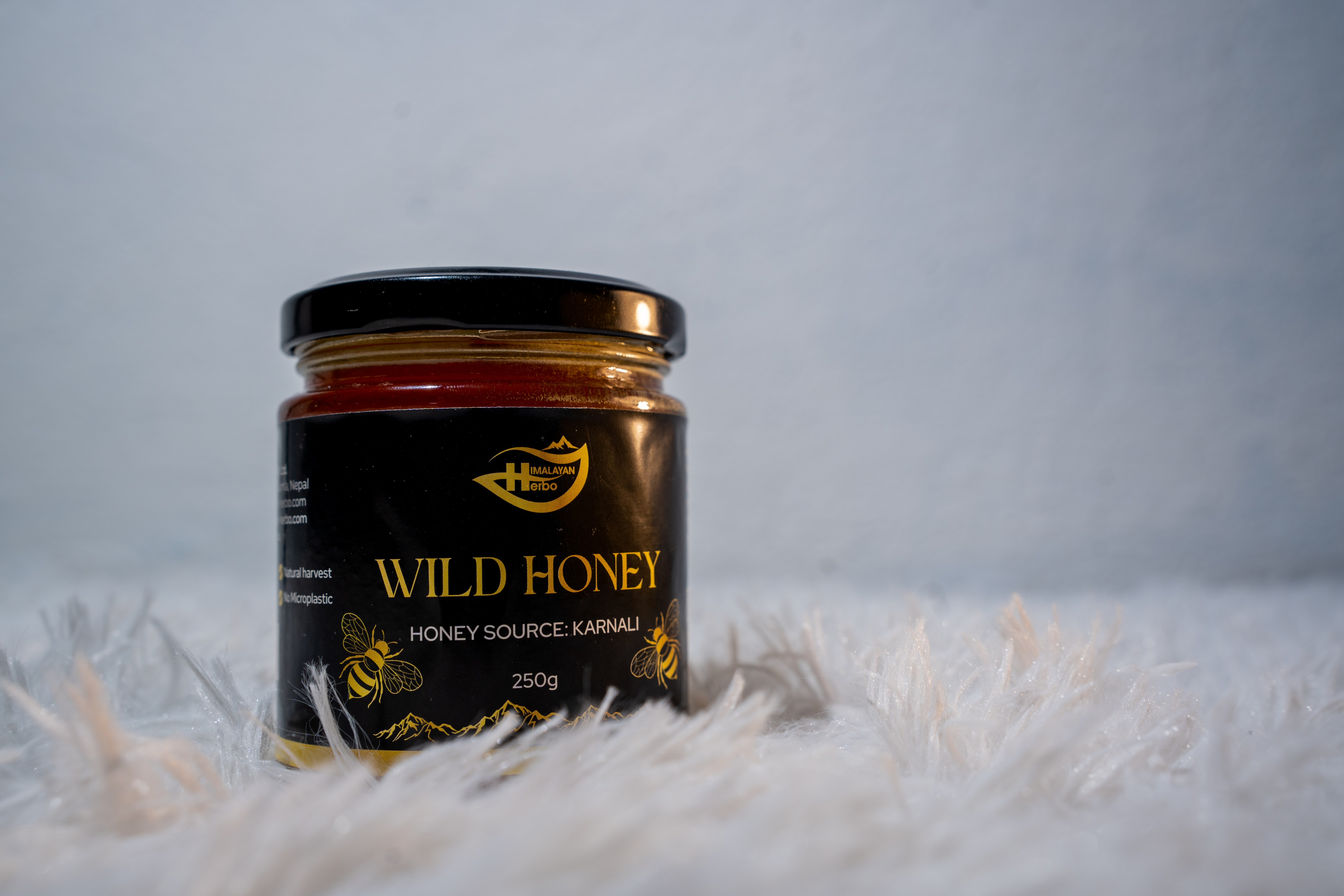
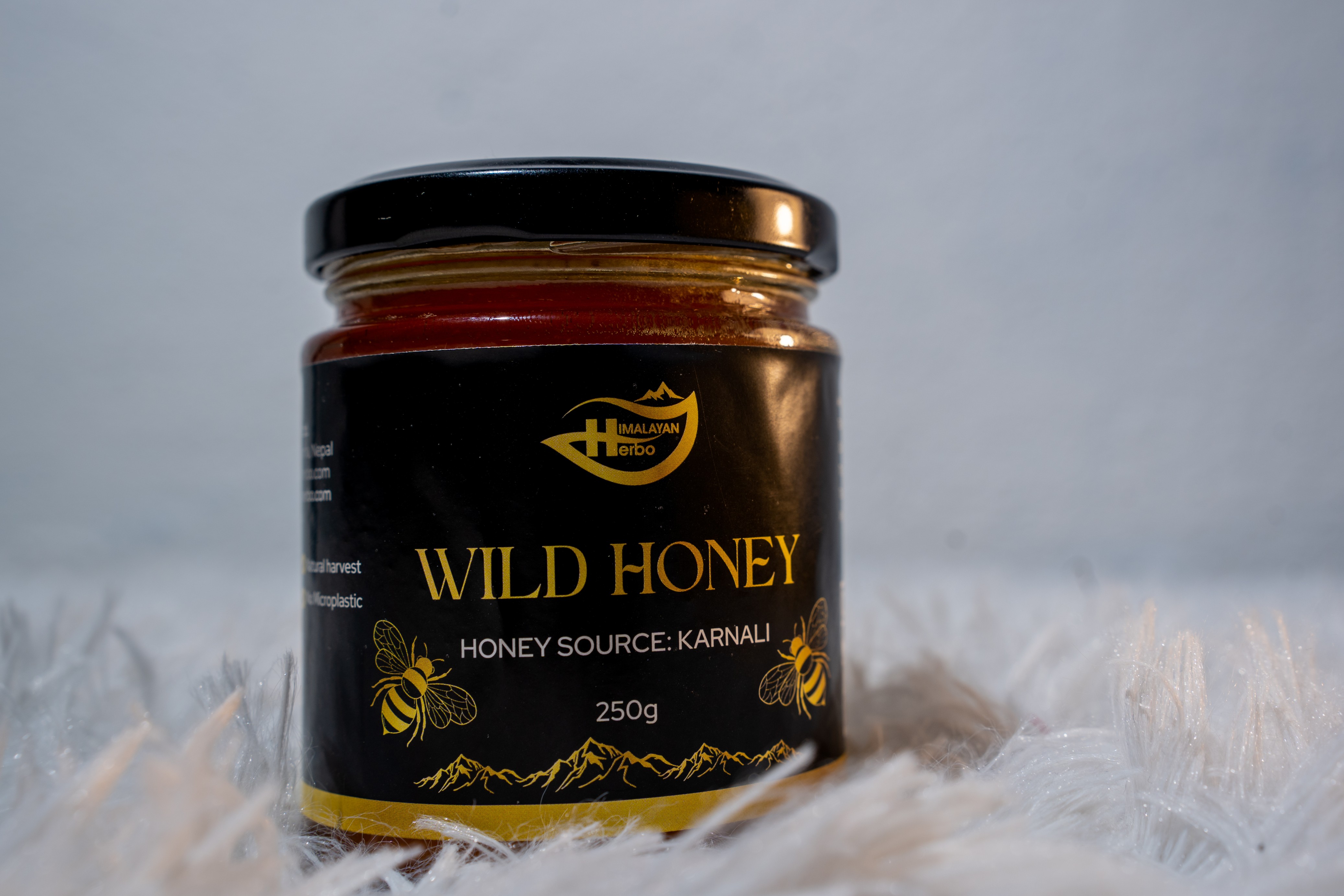
Wild honey is a unique type of honey produced by wild bees, primarily Apis laboriosa, the giant honeybee of the Himalayas. It's known for its potential hallucinogenic effects due to the presence of grayanotoxins, which are found in the nectar of certain rhododendron flowers. This honey is traditionally used for medicinal and recreational purposes as well. Our wild honey is collected from the hives of wild bees in the remote and high-altitude locations of Karnali province, especially in Jumla. It contains grayanotoxins, which can cause a range of effects, including mild hallucinogenic and intoxicating experiences when consumed in small amounts. It is Used traditionally in Nepal and other regions for medicinal and recreational purposes, including as a remedy for digestive issues, respiratory problems, and even as an aphrodisiac. It is also known for its slightly spicy, bitter taste with floral undertones. Not widely available due to its specific geographical origins and the challenges of harvesting it from high cliffs. Overconsumption: Consuming too much mad honey can lead to severe side effects, including bradycardia (slow heart rate), hypotension (low blood pressure), and even loss of consciousness or death. Toxicity: The grayanotoxins present in the honey can be toxic in high doses. Unpredictable Effects: The hallucinogenic effects can be unpredictable and vary depending on the season the honey is harvested (November/December harvest is typically milder than March/April). Honey hunters scale cliffs using rope ladders to collect the honeycombs. The process is often dangerous and requires skill and experience. nThe process is often dangerous and requires skill and experience.
Wild honey is a unique type of honey produced by wild bees, primarily Apis laboriosa, the giant honeybee of the Himalayas. It's known for its potential hallucinogenic effects due to the presence of grayanotoxins, which are found in the nectar of certain rhododendron flowers. This honey is traditionally used for medicinal and recreational purposes as well.
Our wild honey is collected from the hives of wild bees in the remote and high-altitude locations of Karnali province, especially in Jumla. It contains grayanotoxins, which can cause a range of effects, including mild hallucinogenic and intoxicating experiences when consumed in small amounts. It is Used traditionally in Nepal and other regions for medicinal and recreational purposes, including as a remedy for digestive issues, respiratory problems, and even as an aphrodisiac. It is also known for its slightly spicy, bitter taste with floral undertones. Not widely available due to its specific geographical origins and the challenges of harvesting it from high cliffs.
Overconsumption: Consuming too much mad honey can lead to severe side effects, including bradycardia (slow heart rate), hypotension (low blood pressure), and even loss of consciousness or death.
Toxicity: The grayanotoxins present in the honey can be toxic in high doses.
Unpredictable Effects: The hallucinogenic effects can be unpredictable and vary depending on the season the honey is harvested (November/December harvest is typically milder than March/April).
Honey hunters scale cliffs using rope ladders to collect the honeycombs.
The process is often dangerous and requires skill and experience.
nThe process is often dangerous and requires skill and experience.
Additional Information:
| Not Available |
You may be interested
